JRPGs are a genre I’m more than familiar with, having grown up with Final Fantasy, Chrono Trigger, and Ogre Battle 64. Hack and slash games like Bayonetta, Diablo, and God of War came later for me, but soon became a staple of my gaming habits. However, I had never played a hack and slash RPG until Persona 5 Strikers. I was really only familiar with the Dynasty Warriors games by name, never having played any of the series entries, but when developers Omega Force and P-Studio teamed up to create a Dynasty Warriors-esque action game set in the Persona 5 universe, I was intrigued, to say the least.

Taking place following the events of the vanilla Persona 5 (sorry, Kasumi), the Phantom Thieves reunite for a summer road trip across Japan, planning to visit places including Sapporo, Kyoto, and Okinawa, and simply enjoy each other’s companies without worry of some supernatural threat. That is, until they are sucked back into the Metaverse and must deal with Jails and Monarchs, distinct from the Palaces and Rulers they had dealt with over the past year. Joined by an AI named Sophia and followed by police investigator Zenkichi Hasegawa, the Thieves must discover what is corrupting Japan and creating these new Shadows while also ensuring they have enough downtime to enjoy their summer vacation.
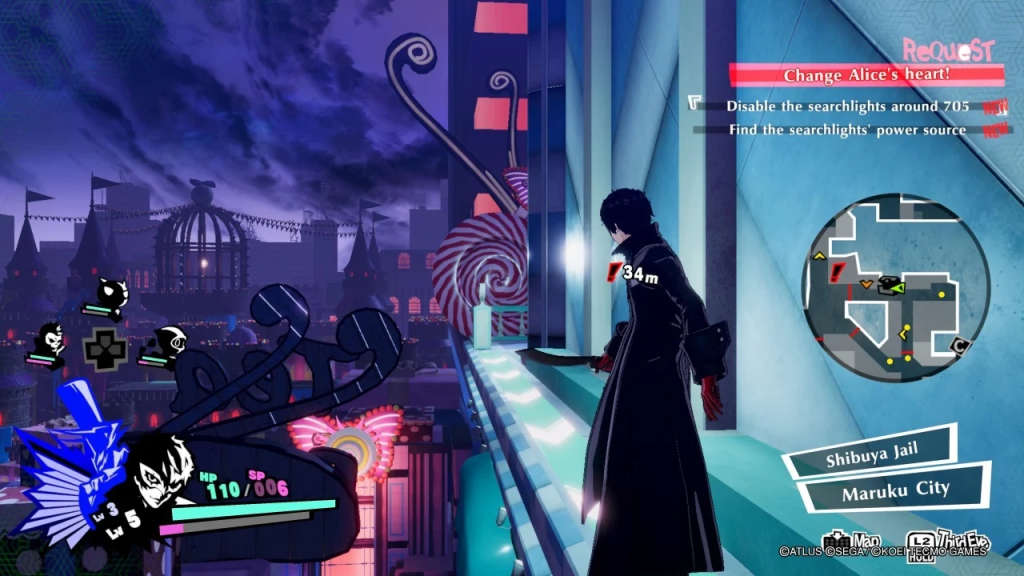
Gameplay is an interesting hybrid of the real-time action of Dynasty Warriors and the turn-based strategy of Persona. Throughout the Jails, you smash your way through massive hordes of enemies, using Command skills to tactically position your attacks and unleash abilities based on Shadows’ weaknesses or tendencies. These battles are appropriately epic in scale, each attack demolishing handfuls of enemies at a time or special abilities clearing the field. It allows you to fulfill a power fantasy, essentially, and there’s nothing wrong with wanting to feel powerful in a game, especially when there’s also the option to increase the difficulty. Apart from being able to control the other Phantom Thieves and their iconic Personas, Joker’s Wild Card ability, much like in Persona, allows him to capture, fuse, and control Shadows and turn them into Personas as well, using their strengths to turn the tide of battle. One mechanic that has been completely changed, however, is the Confidant system, which is now the Bond system. By handling your teammates’ requests and completing side objectives for them, you increase your Bond, which can increase their basic stats, add passive bonuses, or improve the loot you get after battles. Perhaps the largest change is that time no longer progresses based on your activities. You can exit the dungeons to explore the cities and buy more recovery items without any drawbacks, perfect for when you need to make a tactical retreat and lick your wounds.

The levels all seem much more “open” than in the original Persona games. The cities are about as wide as they in the RPG, but the Jails are much larger than their Palace counterparts. There’s more area to explore, more hidden loot to find, more enemies to fight, more ways to approach battles. This may be in virtue of the fact that battles in Dynasty Warrior games are massive, with the player literally taking on hundreds of grunts or captains at a time, but because of that, it really feels like you’re investigating an entire dungeon. Much like the originals, though, each city and Jail also has a unique and memorable aesthetic and atmosphere, whether the Shadow Wonderland of Shibuya or the technocratic utopia of Osaka. With how the regions are being affected by the presence of the Jails, they become much like their own characters with their own personalities. As of writing this, I’ve recently returned from my own trip to Japan, I can attest to how accurate this is. Protracted though my experience may have been, Kawaguchiko felt distinct from Shinjuku, from Kichijoji, from Dotonbori, and so on.
As with the previous game, the quality of writing shines through, accompanying the entertaining gameplay. The camaraderie between the characters is consistent with the other Persona entries, the Phantom Thieves feeling like a real close group of friends. Although that may be a trope in some media for “the power of friendship” to save the day, there’s something to enjoy about seeing the gang back together, each using their talents to complement one another, and working as a team to overcome astronomical odds. The inclusion of the new characters, Sophia and Zenkichi, are extremely welcome, each bringing both comic relief and serious narrative arcs. Zenkichi’s cunning is what stood out to me in particular, perfectly blurring the line between genuine stupidity and Machiavellian brilliance, and his journey of self-discovery leads to some extremely satisfying moments. Not to mention, his voice actor, Tom Taylorson, plays the male player character in Mass Effect: Andromeda, and anything Mass Effect will get a thumbs-up from me.
One new mechanic I enjoyed in particular was the addition of cooking. Having worked at Leblanc for almost an entire year, Joker became quite familiar with preparing coffee and curry, and since you’re on a road trip, you’ll want to make meals for you and your friends to savor together. You’ll acquire ingredients shopping around the cities or online and put together a snack or a feast for your squadmates. The first time you prepare a recipe, like jingusikan, crab hotpot, okonomiyaki, or sushi, you get a little cutscene of the team praising Joker’s culinary skills and describing the flavors and sensations they’re experiencing, adding to the sense of fellowship among the Thieves and literally increasing the team’s Bond levels. Of course, there is a gameplay benefit to making these dishes as well as the narrative zest. Food is used as a consumable when in the Jails, replenishing health and magic power or providing temporary stat boosts. I always enjoy when game mechanics can tie into the story and vice versa.
Even though Persona is a relatively new franchise for me, only having started with the original Persona 5, it’s quickly become a favorite of mine, and Strikers easily adds to its reputation in my mind. It oozes the same kind of style and character that its namesake is famous for, and even with the new style of gameplay, it manages to feel like a Persona game nevertheless, between the aesthetic and the writing. The story of the Phantom Thieves continues on, much to the chagrin of some of the series’ fans who desire to see a sixth mainline entry, but I’ll definitely be along for the ride as long as the band stays together.

 LAFworks